

| |
| For any Silver Ribbon related issues, kindly Click Here |
| |
| For any website related issues, kindly Click Here |
|
| Silver Ribbon Singapore |
Mental health is more than the absence of mental illness: it is vital to individuals, families and societies.
Mental health is described by the World Health Organisation as:
"... a state of well-being in which the individual realises his or her own abilities, can cope with the normal stresses of life, can work productively and fruitfully, and is able to make a contribution to his or her community."
In this positive sense, mental health is the foundation for the well-being and effective functioning of Individuals and communities.
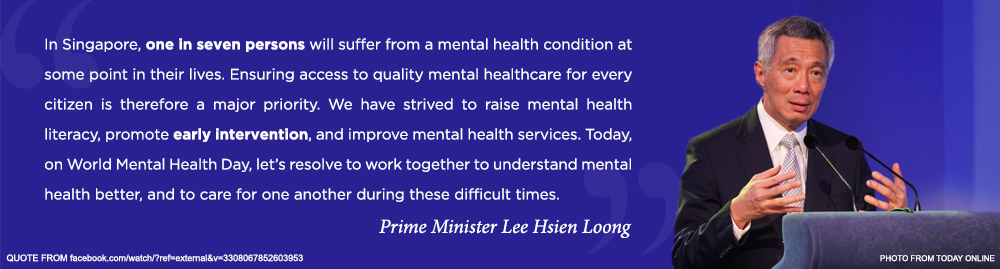
A mental health community survey done in Singapore showed that 16.6% of adults were found to have a mental disorder at some time in their life. This means that about 1 in 6 adults in Singapore will suffer from some form of common mental health disorder in their lifetime. However, many people with mental health problems do not seek any professional help. A similar national survey in Singapore in 1996 revealed that only 37 % of the participants interviewed would seek professional help if they had serious mental problems.
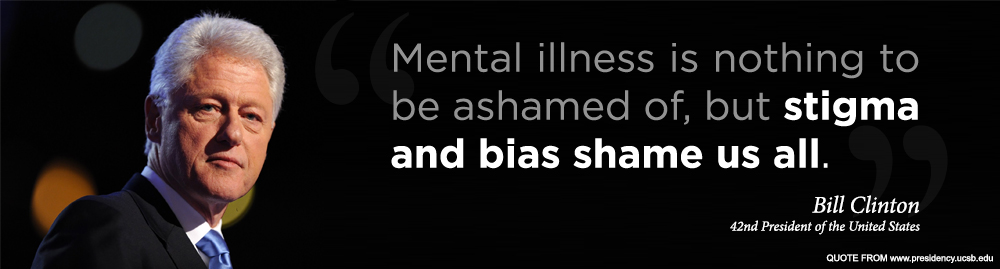
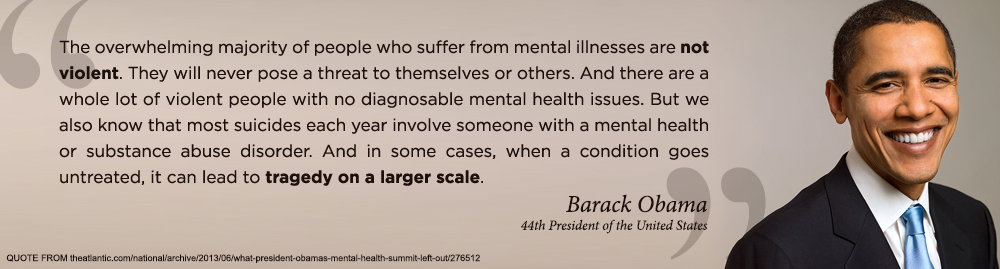
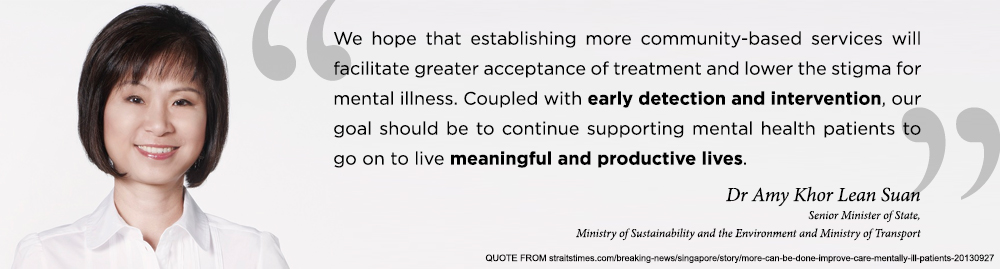
Stigma that surrounds mental illness often prevents people from seeking treatment and the consequences of untreated mental illness can be shattering, leading to unnecessary disability, homelessness, unemployment, incarceration and even suicide. Silver Ribbon (Singapore) believes that the earlier an illness is detected and treated, the better the treatment outcome.
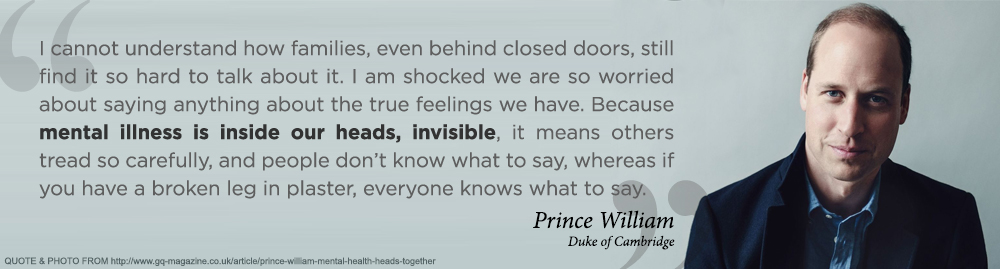
Exactly what is stigma? Stigma means a mark or sign of shame, disgrace of disapproval, of being shunned or rejected by others. It emerges when people feel uneasy or embarrassed to talk about behaviour they perceive as different.
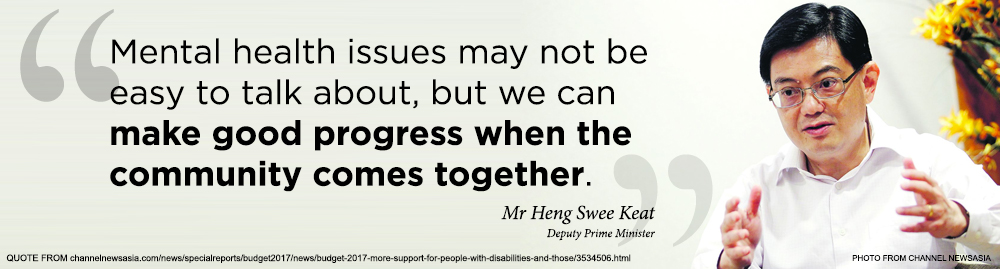
Discrimination and misconceptions remain among the most significant barriers to people with mental illness being able to actively participate in the community and gaining access to the services they need.
Also, it is not only people with mental illness who experience discriminations and stigma. Rejection of people with mental illness inevitably spills over to the caregivers and family members.
|
|
|